Latest News
Recent Outreach Case Study
19 January 2026
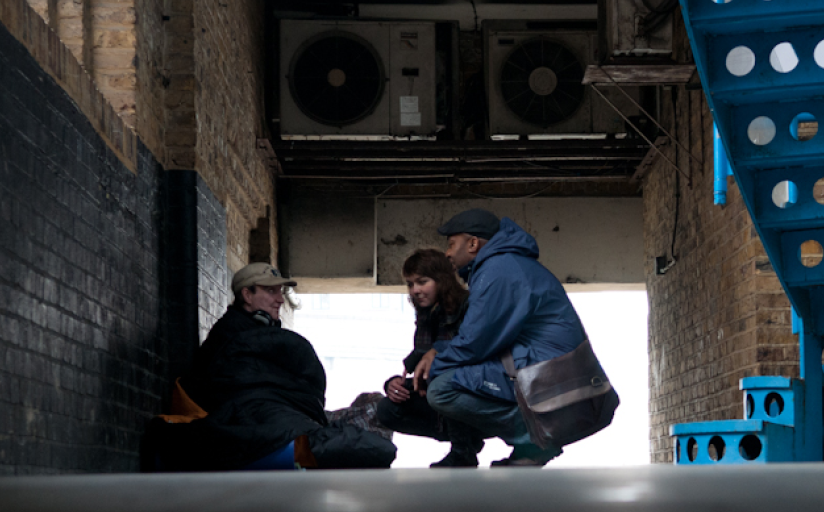
A recent case study provided by our outreach partner The Passage:
Case Study: Engagement Leading to Sustained Accommodation
Background
Peter (name changed) was identified sleeping rough in a concealed location behind a retail site in central at the very southern boundary of BSQ, where he had been living in a tent for approximately two months. He was not engaging with outreach services at the time and was referred to our team by the BSQ Street Team, who had done great work in finding him due to the hidden nature of his sleeping site.
Peter was a long-term rough sleeper, first recorded sleeping rough in the Regent Street area in 2002. He reported losing his job during the Covid-19 pandemic, followed by the loss of tied accommodation. Reflecting on his experience, Peter described how quickly rough sleeping became normal, and how difficult it felt to envision a way out once entrenched.
In his own words ‘I found it surprising how easy it was to sleep on the streets once I started, and how difficult it was to get back out of it once I had. It’s funny, you kind of spend all your efforts making your rough sleeping spot the best it can be, rather than trying to get out of it, cos you kind of tell yourself your stuck, or maybe you deserved this to happen to you, so you try and make the best out of a bad situation, rather than think the situation itself is absurd’.
Engagement and Support
Peter moved between sites across Baker Street, Marylebone and the West End, deliberately avoiding sustained engagement with outreach services. He expressed reluctance to discuss his situation or accept accommodation offers, particularly shared hostel provision, which he did not feel able to manage.
Through consistent, non-judgmental engagement, workers built rapport with Peter by focusing on his interests, including art, music and playing guitar. Conversations also explored his substance use, with Peter identifying crack cocaine use as a growing concern. He expressed openness to engaging with Turning Point around crack use, while continuing methadone treatment.
Intervention
At the point when no suitable accommodation options were available, St Mungo’s launched a new hotel-based service offering intensive, wraparound support alongside the privacy of self-contained rooms. This model aligned well with Peter’s expressed needs. Outreach workers introduced the option gradually, with our team reinforcing the offer and supporting Peter to prepare for a viewing. Peter attended the viewing with his St Mungo’s worker and accepted a placement following the visit.
Outcomes
Peter moved into the service on 14 October 2025, marking his first period of stable, long-term accommodation since first being found sleeping rough in 2002. Since moving in, he has begun attending an employment academy to explore a return to work and is engaging with Turning Point to address his substance use. This case demonstrates the value of flexible accommodation models, persistence in engagement, and partnership working in achieving sustained outcomes for people with complex needs.
Also in this section

25 May 2026
The Passage Summer Party
Baker Street Quarter Partnership works closely with The Passage as our funded outreach support service as well as our current Charity of the Year. Their team, alongside our Street Team,…

25 May 2026
WIN tickets to see Duran Duran at American Express presents BST Hyde Park!
BST Hyde Park returns this summer with a huge line-up of stars – including Garth Brooks, Maroon 5, Mumford & Sons, Duran Duran, Pitbull and Lewis Capaldi. Baker Street Quarter…