Latest News
The Plastics Age
30 June 2025
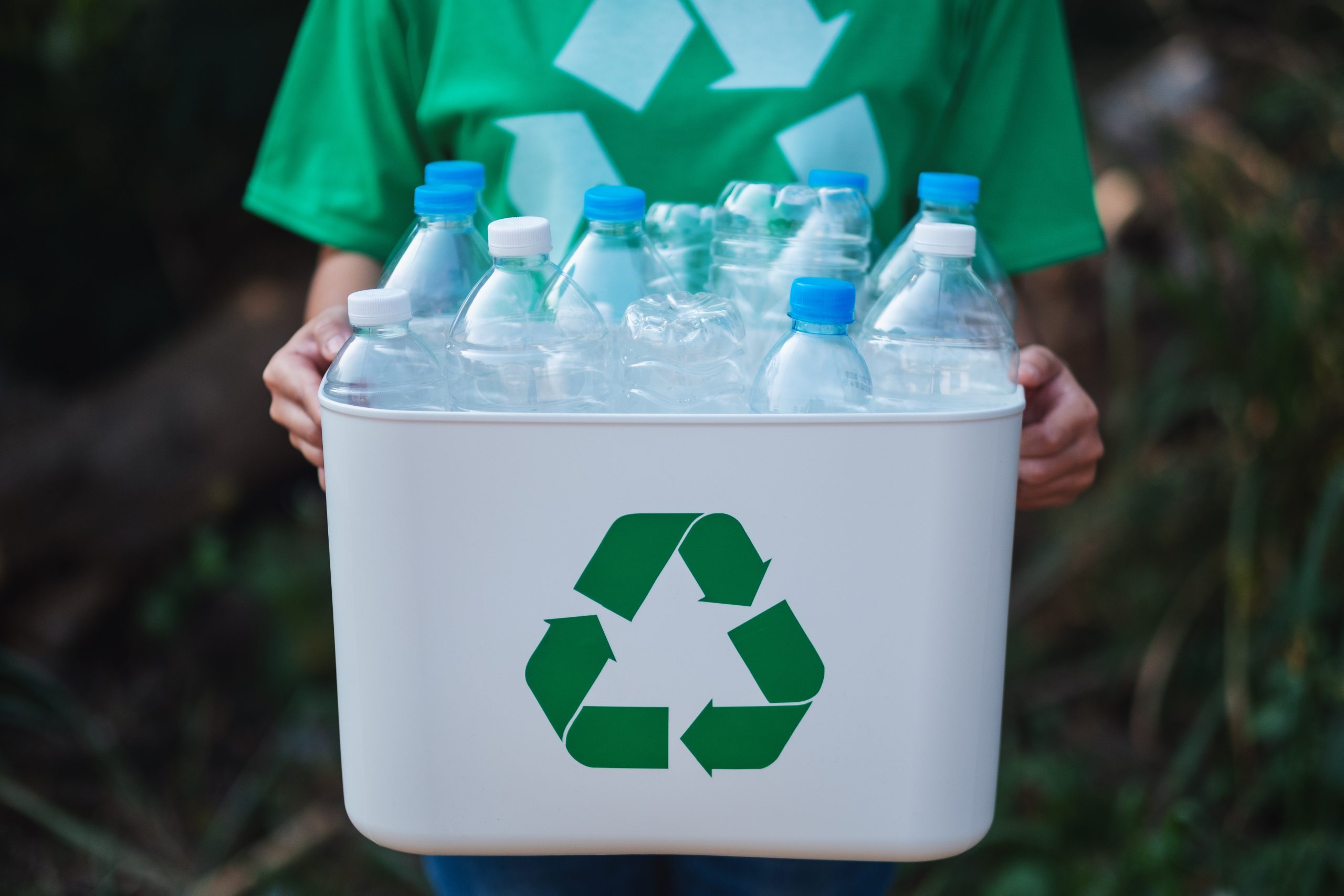
The latest thought-piece from our Placemaking & Sustainability champion, Helen Clark Bell.
Since the Simpler Recycling legislation was introduced in April, it is mandatory for businesses to recycle food, paper and cardboard and have a mixed recycling service. The next stream to tackle head-on is plastics, which presents a much wider issue.
Plastic was first introduced to the public in 1907 with the manufacture of Bakelite. Fastrack on 118 years and it is estimated about 50 kg of plastic is produced per person, per year globally to the point that we are literally surrounded by it from food packaging, clothes and cleaning product bottles, to our desk and kitchen countertops.
Plastics are manufactured almost entirely from fossil fuels, using around 4% of global oil production and through complex chemical composition are unable to be recycled into re-useable plastic product particularly for food use.
The UN states that there are approximately 51 trillion microplastic particles in our oceans, 500 times more than stars in the galaxy. Microplastics are now regularly found in fish and 80% of human blood samples.
Whilst recycled plastic is currently used for new products such as textiles, decking and street furniture, all of which are then unable to be recycled. The vast majority of recycled plastic is going to Energy from Waste plants currently producing 3% of the UK’s total energy through district heat networks recovering some of the energy inherent in plastics.
In summary, we are producing way too much plastic and recycling cannot be seen as the solution, although recycling must still be encouraged to prevent it going to landfill.
On a brighter note, there are innovative products coming to market that aim to replace single use plastics made from vegetable fats and oils, seaweed, bamboo and sawdust. There are also new recycling methods being developed turning plastics into high quality resins using their original compounds.
Until these products and services become more widely available, we need to be more aware of our choices and continue to recycle everything. At Baker Street Quarter Partnership, our Smarter Recycling contractors carefully manage the processing and recycling of plastics through multiple service streams and your business can be assured that all plastics are being processed to gain the maximum life.
Useful links:
Smarter Recycling – Baker Street Quarter Partnership
Plastic Free July
Single-Use Plastics Recycling & Collection | First Mile
Combatting Microplastics – Webinar – YouTube
Also in this section

27 April 2026
Martyn’s Law
The Section 27 statutory guidance under the Terrorism (Protection of Premises) Act 2025 (Martyn’s Law) has been published by the Home Office. The Terrorism (Protection of Premises) Act 2025, also known…
27 April 2026
Team Update
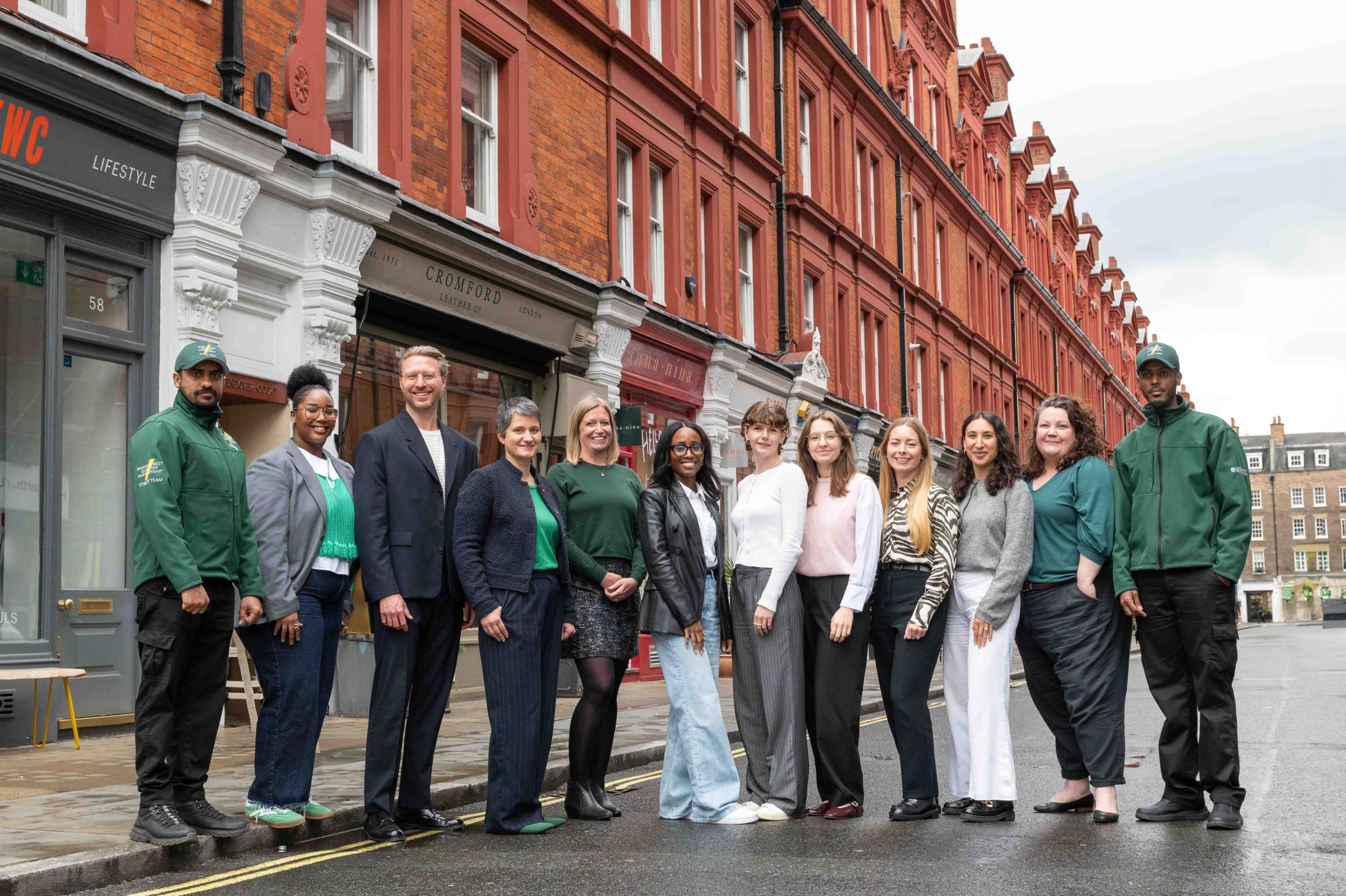
Over recent months, with a couple of our team members on maternity leave, we have had a shift around of roles and welcomed some new faces to the BakerStreetQ team. Find out below who’s working behind the…